Chemical corrosion
Attack from acids, alkalis and organic solvents causes permanent damage to components.

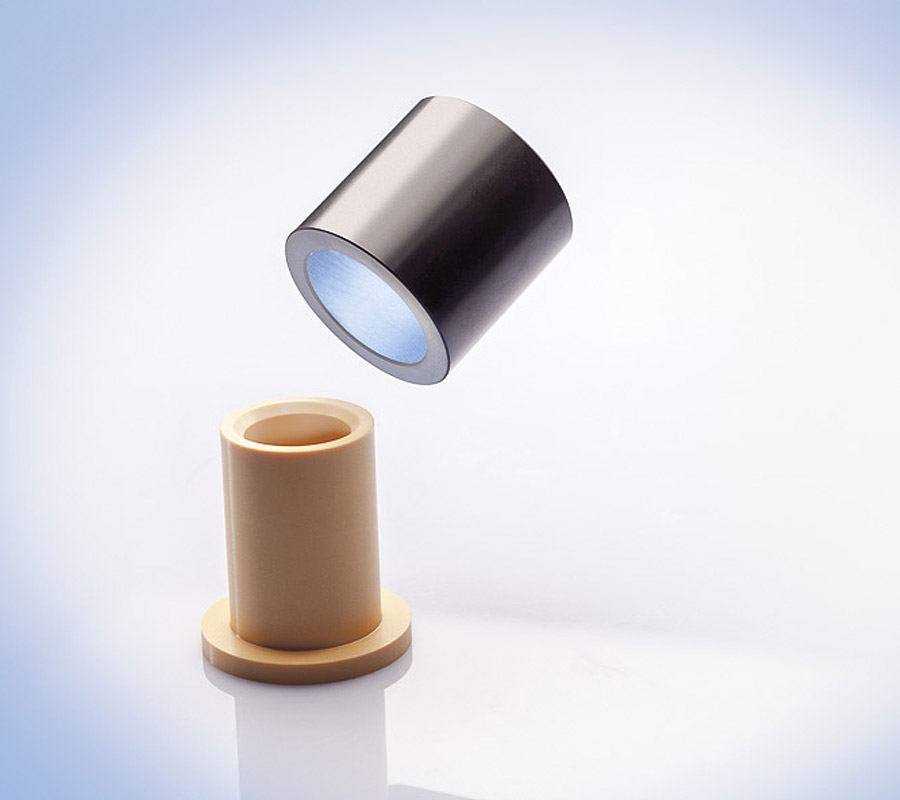
Applications in the chemical industry and process engineering require not only temperature resistance but above all reliable corrosion resistance – often combined with abrasion resistance when solid particles are present in the medium. We clarify before the quote which material is suitable for your application – and which is not.
View typical load cases
The most common requirements in the chemical industry: corrosion, abrasion, combined media and pressure attack.
Select material by medium
Al₂O₃, ZrO₂ or SiC – decision guide based on media mix and operating temperature.
Discuss a specific component
Valve seat, pipe liner, sealing surface? We clarify feasibility in a direct conversation.
Attack from acids, alkalis and organic solvents causes permanent damage to components.
Solid particles in suspensions cause severe wear on surfaces and seals.
Simultaneous pressure, temperature and chemical attack exceeds the limits of standard materials.
CIP/SIP cleaning cycles create extreme temperature fluctuations that can lead to cracking.
Custom manufacturing demands high precision while remaining economically viable at low volumes.
Tell us your media mix, operating temperature and geometry. We assess feasibility, material selection and manufacturing – and provide you with sound technical feedback.
Early consultation saves time, cost and iteration cycles.
>900 MPa
Flexural strength ZrO₂ – handles mechanical and chemical loads simultaneously.
approx. 1,800 HV
Hardness Al₂O₃ – hardened steel is at 700–800 HV.
approx. 2,500 HV
Hardness SiC – for abrasive media where Al₂O₃ wears out too early.
From batch size 1
No minimum quantities, no high tooling costs.
ISO 9001
Certified process, full documentation available on request.
Answers to typical questions on chemical resistance, material selection and the feasibility of ceramic components.
Which material is suitable when several aggressive media are present simultaneously?
This depends on the complete media mix and operating temperature – not just the most aggressive medium. Al₂O₃ is suitable for most acids and alkalis but fails with hydrofluoric acid. SiC is compatible with almost all chemicals, except concentrated potassium hydroxide and hydrofluoric acid. ZrO₂ is recommended when high mechanical loading is present simultaneously. Without knowledge of the complete load profile, no reliable recommendation is possible.
Can an existing metal component be manufactured directly in ceramics?
Not without reviewing the geometry. Ceramics behaves differently from metal with respect to tensile stresses, edge pressure and thermal expansion. We check whether the existing geometry is suitable for ceramics – and identify where modifications are required.
What must be considered under combined loading from pressure, temperature and aggressive media?
Materials are often selected for individual load cases, not for their combination. ZrO₂ is suitable for mechanical and chemical loading up to 900 °C. Above that, SiC or Si₃N₄ are the right choice. We design based on the complete load profile.
Which ceramic components does BCE manufacture for the chemical industry?
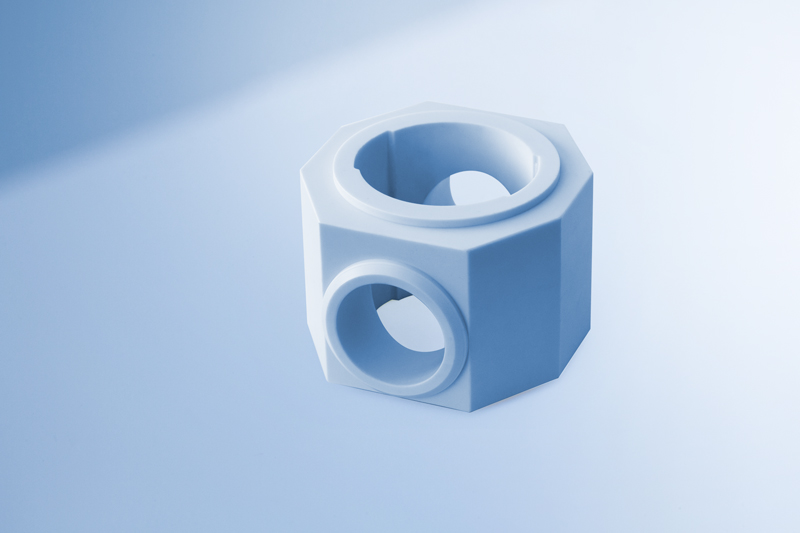
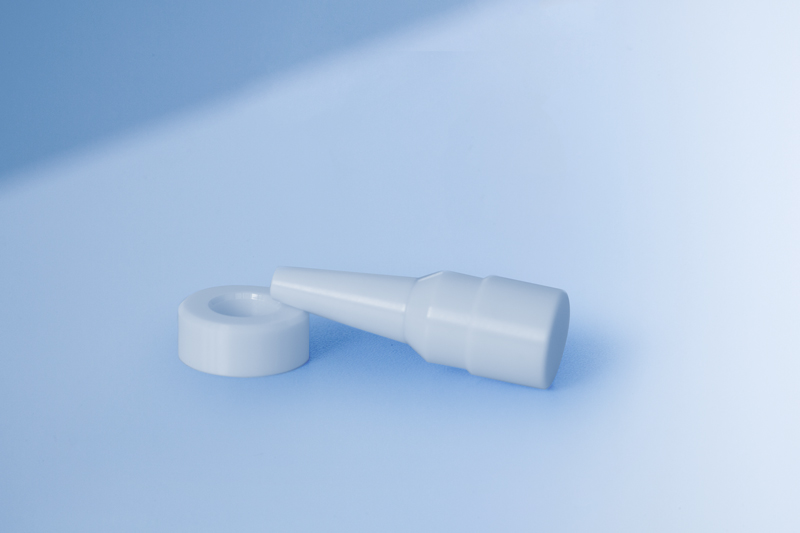
Valve components for control valves, gate valves and shut-off fittings, metering units, liners and claddings, housings for ball valves, as well as valve cones and seats – all manufactured to customer drawings.
How reliable are ceramic components in continuous chemical operation?
The decisive factor is the probability of failure under the specific load profile – not a generalised service life. When media mix, temperature profile, pressure loading and geometry are matched to one another, a very low failure rate is achieved. Failures almost always result from incorrect material selection or an unsuitable installation situation.
We will tell you whether ceramics is the right choice – and if so, which material.