Find technical ceramics for my application
Mechanical engineering, medical technology, chemicals, energy or electrical engineering. Where do you operate? We know the typical challenges.
Choose an industry

Custom-made from quantity 1 – from prototype to small series
Mechanical engineering, medical technology, chemicals, energy or electrical engineering. Where do you operate? We know the typical challenges.
Choose an industry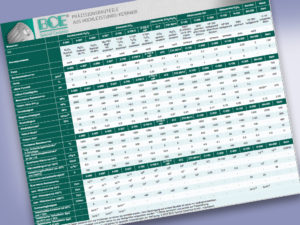
Not sure which material fits? We help you make the right choice.
Compare materials
Do you have a part or a specific requirement? We check feasibility, material and manufacturing and provide a well-founded technical assessment.
Get in touch
Wear protection for bearings, guides and sealing surfaces under high mechanical and thermal loads. Ceramics perform where metal reaches its limits.
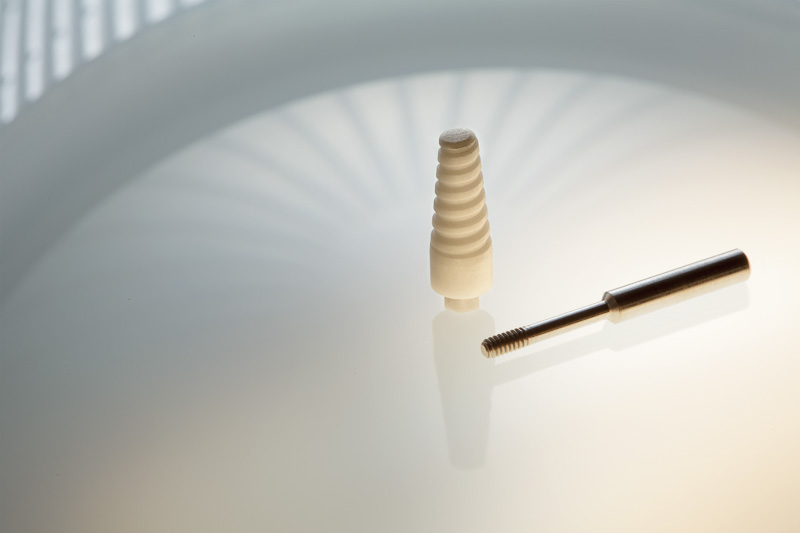
Biocompatible materials for implants, endoscopy and diagnostic systems. With complete documentation and an ISO 9001-certified process.
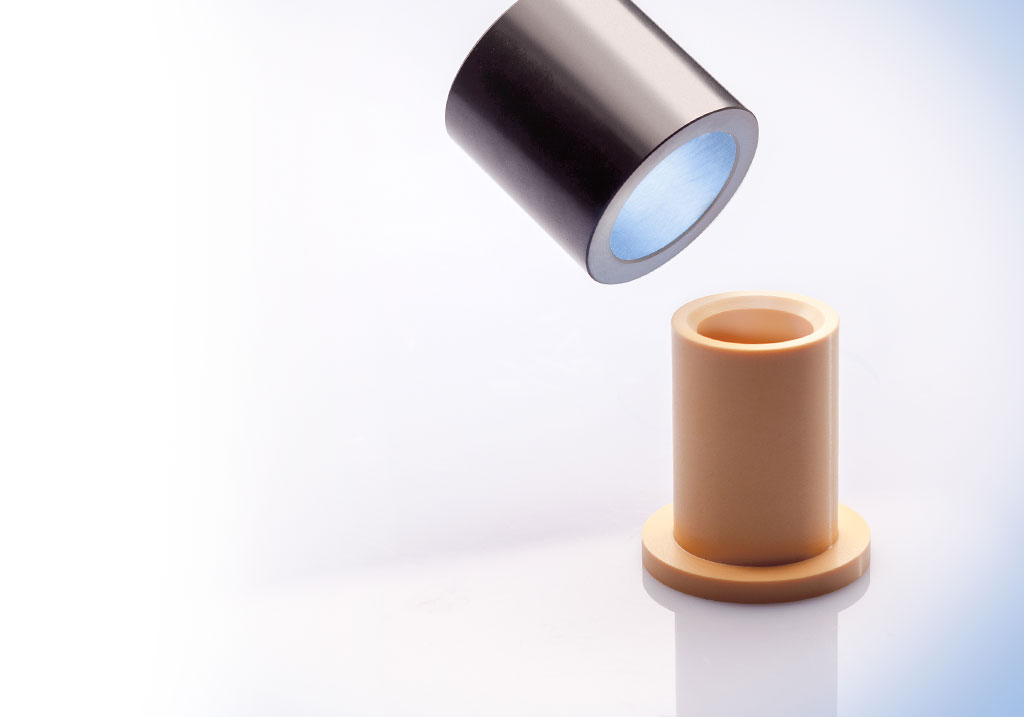
Ceramic components for aggressive media, high pressures and temperatures. Al₂O₃ and ZrO₂ excel where steel and plastics are not sufficient.
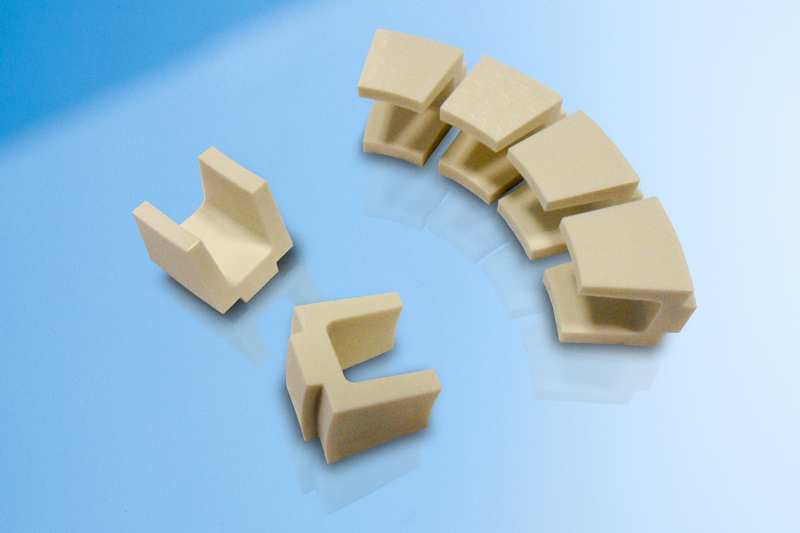
Gas-tight, electrically insulating and temperature-stable components for wind power, solar technology and fuel cells. Designed for continuous operation under fluctuating loads.
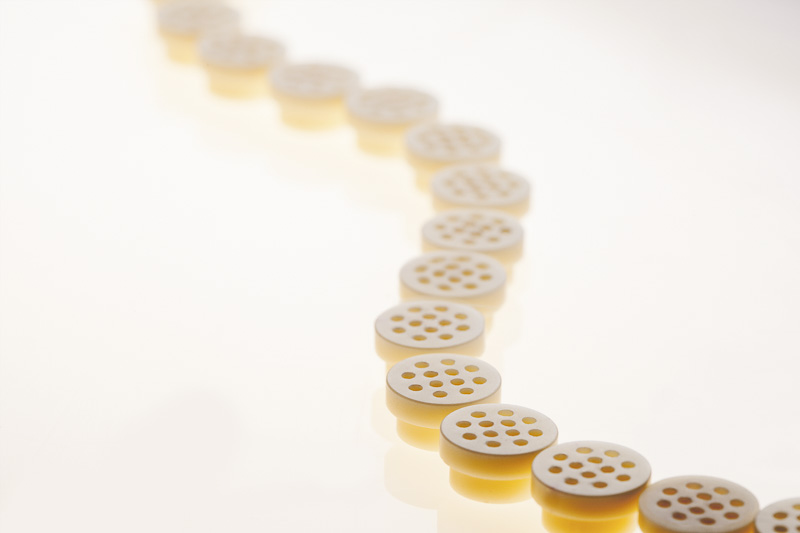
Precision insulators, sensor carriers and metrology components with low thermal expansion and high dimensional stability. Reliable even under extreme electrical and thermal conditions.
Material selection determines success or failure in use. At BCE Special Ceramics, we help you make the right decision:
The cost-effective all-rounder for wear and insulation tasks under moderate mechanical load.
Learn moreMaximum strength and toughness. First choice for highly loaded precision parts and medical technology.
Learn moreThe balanced combination of strength and toughness for demanding applications.
Learn moreSilicon nitride, silicon carbide, boron carbide and aluminum nitride for extreme applications with the highest demands.
Learn more
Years of experience

certified
in the µm range
We answer the questions our customers ask most often.
What are technical ceramics – and when does it make sense to use them instead of metal or plastic?
Technical ceramics are inorganic, non-metallic materials with precisely engineered properties: high hardness, temperature resistance up to over 1,700 °C, chemical inertness and electrical insulation. They are worth using when conventional materials reach their load limits – with corrosive media, extreme temperatures, high wear, or strict insulation requirements.
What advantages do technical ceramics have over metal and plastic?
Ceramics offer decisive advantages where metal corrodes, wears, or fails thermally and plastics do not reach the required strength or temperature resistance. Specifically: higher wear resistance, better chemical stability, electrical insulation, and operating temperatures up to over 1,700 °C.
Which ceramic material is the right one for my application?
That depends on the specific load profile: mechanical load, temperature, medium, required tolerances and quantity. Aluminum oxide is the cost-effective all-rounder, zirconia is the first choice for high strength and toughness, and special materials such as silicon carbide or silicon nitride are used for extreme applications. A blanket recommendation without knowing the operating conditions would be unprofessional – that’s why we clarify this before quoting.
Which industries and applications are technical ceramics particularly suitable for?
Mechanical engineering, medical technology, chemical and process engineering, renewable energy, and electrical engineering and metrology benefit in particular. Anywhere extreme conditions occur that conventional materials cannot reliably withstand over the long term.
Does BCE also manufacture single parts and prototypes?
Yes – and this is a core part of how we work. We manufacture from quantity 1, without high tooling costs or minimum order quantities. Prototypes go through the same quality process as production parts – so the approval is robust.
How reliable are ceramic components in continuous operation?
Ceramics are not indestructible, but they are predictable. What matters is the probability of failure under the specific load case, not a generic lifetime statement. If load, geometry and material are properly matched, you can achieve a very low failure rate in continuous operation.
Can ceramic components be customized?
Yes – BCE manufactures exclusively to customer specifications. Every component is made to your drawings and requirements. We do not offer standard catalog parts.
What happens if my component is not feasible?
Then we tell you – clearly and without detours. Often there is an alternative geometry, another material or an adapted manufacturing route that solves the problem. Our goal is not the order at any price, but the technically right decision for your project.
How does an inquiry with BCE work?
You describe your requirements to us, ideally with a drawing. We get back to you with an initial technical assessment of feasibility, material and possible risks. Only when the foundation is right do we prepare a quote.