
BCE Special Ceramics manufactures technical ceramic components for mechanical engineering, medical technology, chemical industry, renewable energies and electrical engineering. In each of these fields, the same question arises at the start: which material will withstand the specific load profile in the long term? We clarify this before quoting.
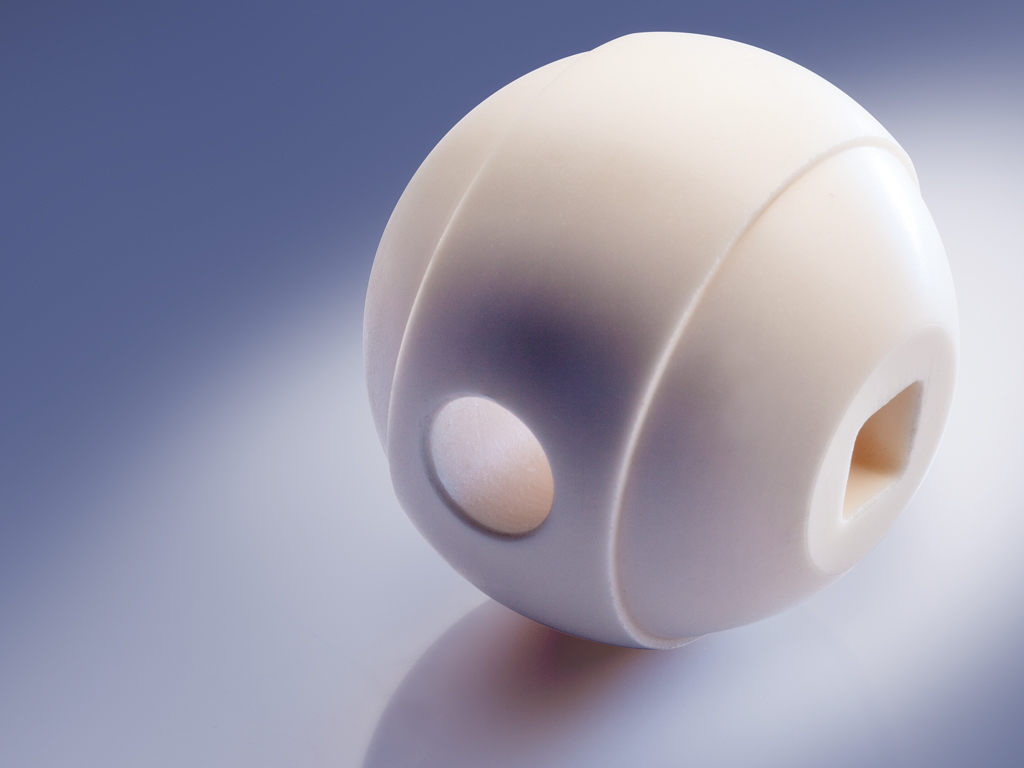
BCE SPECIAL CERAMICSTechnical ceramics for your application
QUICK STARTHow would you like to get started?
By industry
Where is your application? Mechanical engineering, medical technology, chemical industry, renewable energies or electrical engineering. Each application page describes the typical load cases, the relevant materials and the most common mistakes.
By material
You already have a material idea or want to compare Al₂O₃, ZrO₂ and SiC directly? The materials page provides key values, application limits and an interactive comparison table.
Direct to feasibility
You have a component, a drawing or a specific requirement. We check material and feasibility and provide you with a technical initial assessment.
APPLICATIONSTechnical ceramics for your industry
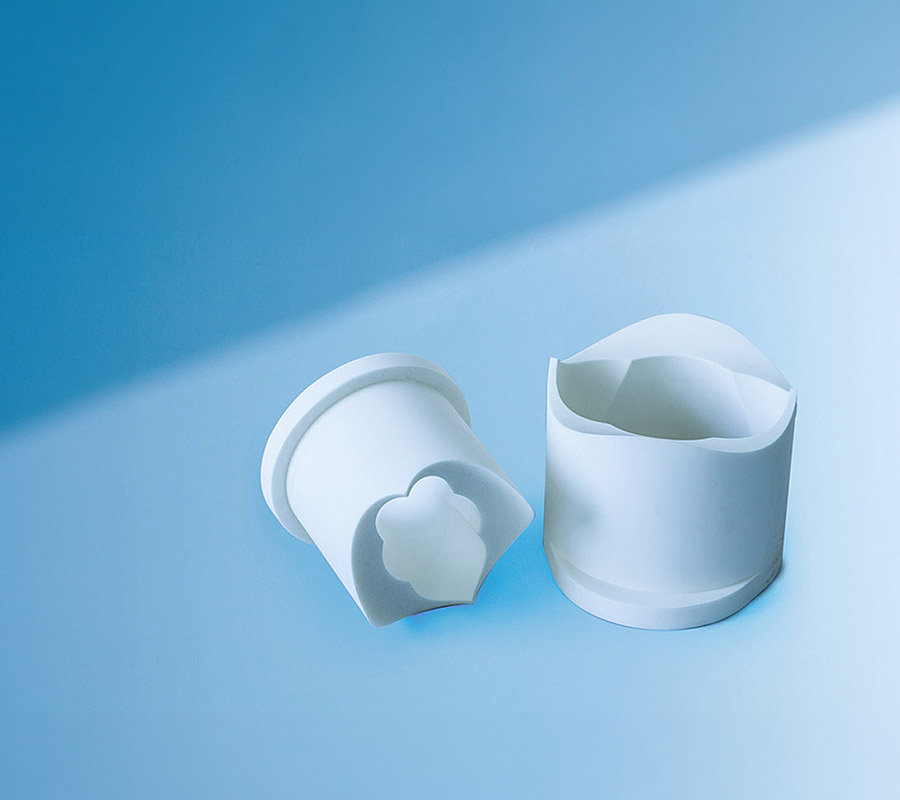
Mechanical and plant engineering
Wear, bearing failure at high temperatures, combined load from pressure and temperature: where metallic components fail under load combinations, Al₂O₃ and ZrO₂ take over as plain bearings, valve components and guide elements.
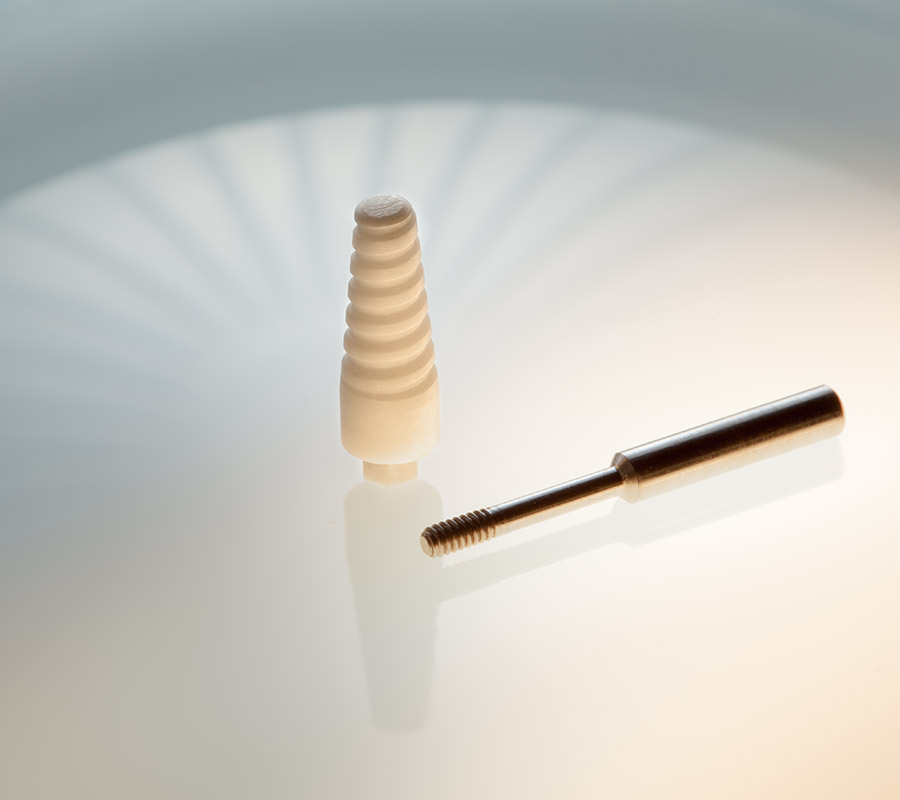
Medical technology
Biocompatible materials, tight tolerances, complete documentation. BCE manufactures implants, endoscopy components and surgical instruments to ISO 9001 — with spatially separated production.
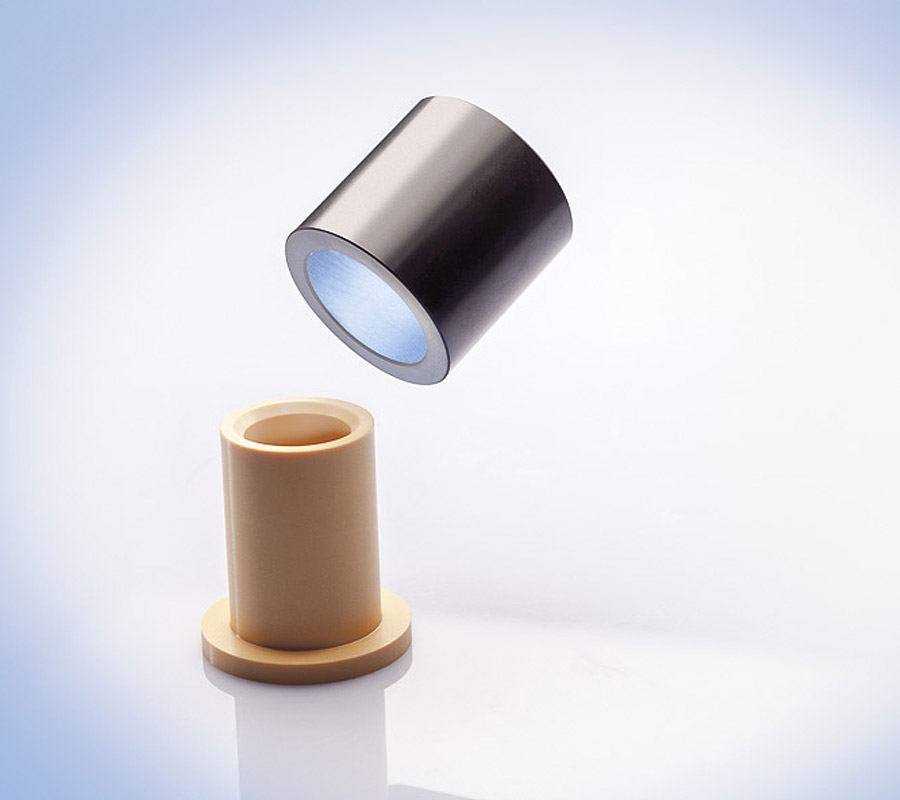
Chemical industry and process engineering
Corrosion from acids and alkalis, often combined with abrasion and pressure. Al₂O₃ and ZrO₂ where steel and plastics fail against the media mix.

Renewable energies
Hydrogen embrittlement, continuous temperature above 500 °C, alternating loads in field operation – depending on the system, different material and geometry requirements apply.
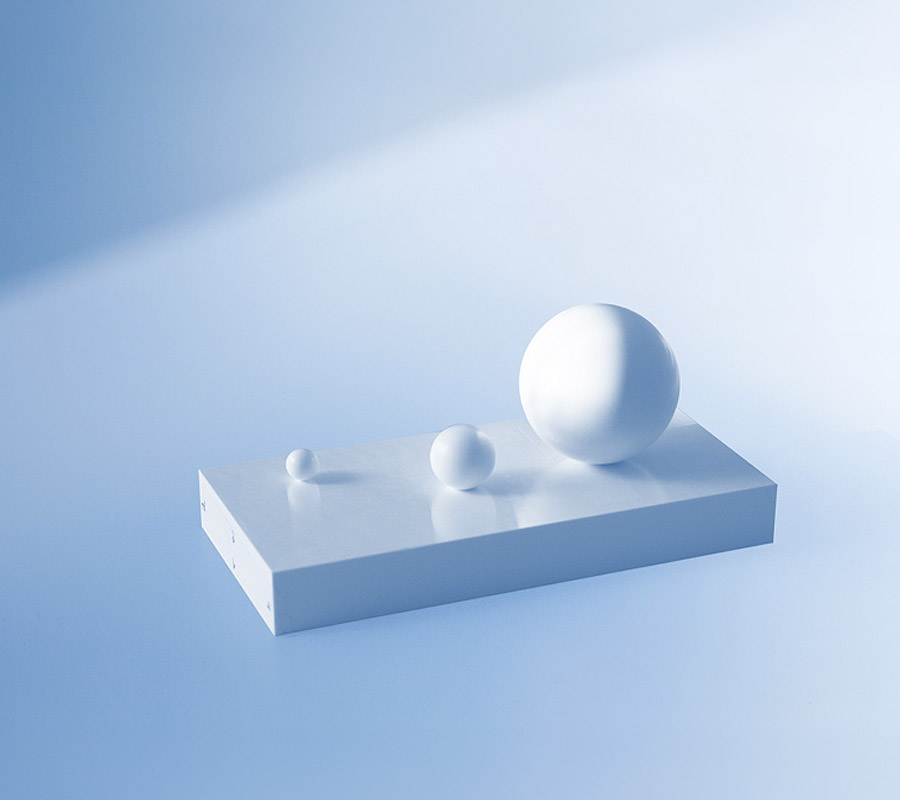
Electrical technology / measurement technology
Electrical insulation at high temperatures, low thermal expansion, metallisability for sensor components. Al₂O₃ and AlN according to electrical and thermal requirement profile.
Further applications

High temperature technology
Crucibles, protective tubes and sintering supports up to 1,750 °C.
Microsystem technology
Miniature components and sensor substrates in the µm range.
Forming technology
Drawing rings and guide elements under extreme surface pressure.
Can’t find your industry in the overview? Briefly describe your load case — we assess whether ceramics are the right choice.
FAQFrequently asked questions about technical ceramics by application
How do I know which application page fits my project?
Orient yourself by the main problem of your component: wear and mechanical load under heat or corrosion leads to mechanical engineering. An aggressive medium as the core problem leads to chemical industry. Electrical insulation requirements combined with temperature leads to electrical engineering. Biocompatibility and complete documentation leads to medical technology. Hydrogen atmosphere, molten salts or alternating loads in energy systems leads to renewable energies. If multiple requirements apply simultaneously, that is not an exclusion criterion – we clarify this before quoting.
Can BCE manufacture components that meet multiple requirements simultaneously – for example electrical insulation and chemical resistance?
Yes. Oxide ceramics such as Al₂O₃ and ZrO₂ frequently meet multiple requirements in a single component: electrical insulation, corrosion resistance and temperature stability often go together in many applications. We clarify before manufacturing whether one material class covers the complete requirement profile – or whether geometry and material need to be adapted together.
What happens if ceramics are not the right choice for my application?
Then we say so – clearly and without detours. Not every problem requires ceramics. If an alternative material class or an adapted manufacturing route fits better, we point that out. Our goal is not the order at any price, but the technically correct decision for your project.
Which industries does BCE specialise in – and which not?
BCE Special Ceramics has been supplying customers from mechanical engineering, medical technology, chemical and process engineering, electrical engineering and energy technology since 1986. These are the core areas. High-temperature technology, microsystem technology and forming technology are also possible, but not the focus. If you are unsure whether your project fits: submit your requirement to us – we respond with a clear assessment.
You know which industry you work in — but not yet whether ceramics are the right choice for your component.
Describe your load case to us. We will give you a clear technical assessment.