Biocompatibility
Not every material is approved for use in or on the human body.

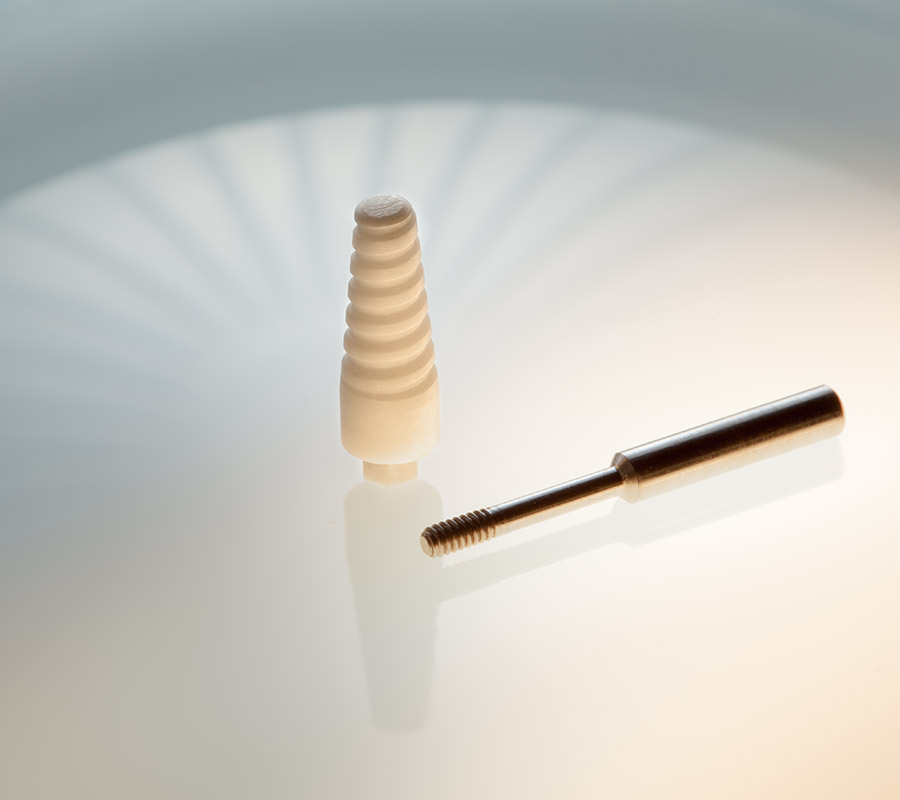
Components for medical technology place exceptionally high demands on material, manufacturing quality, and documentation. A key distinction is whether the component remains permanently in the body or is only temporarily inserted into body cavities – each scenario places different requirements on the material and process.
View typical requirements
Biocompatibility, sterilizability, and tight tolerances are key requirements in medical technology.
Select material by application
Y-TZP ZrO₂ or ZTA – depending on application site, sterilization method, and mechanical load.
Discuss a specific component
Implant, endoscopy component, dental part? We clarify feasibility directly in a conversation.
Not every material is approved for use in or on the human body.
Autoclave, gamma radiation, and chemical disinfection each place different demands on the material.
Micromechanical components for endoscopy and minimally invasive surgery require precision in the µm range.
Regulated environments require full traceability from the raw material batch to the finished part.
Medical components must not exhibit any material contamination.
Describe your application and specific requirements. We will assess feasibility and material suitability for your individual use case.
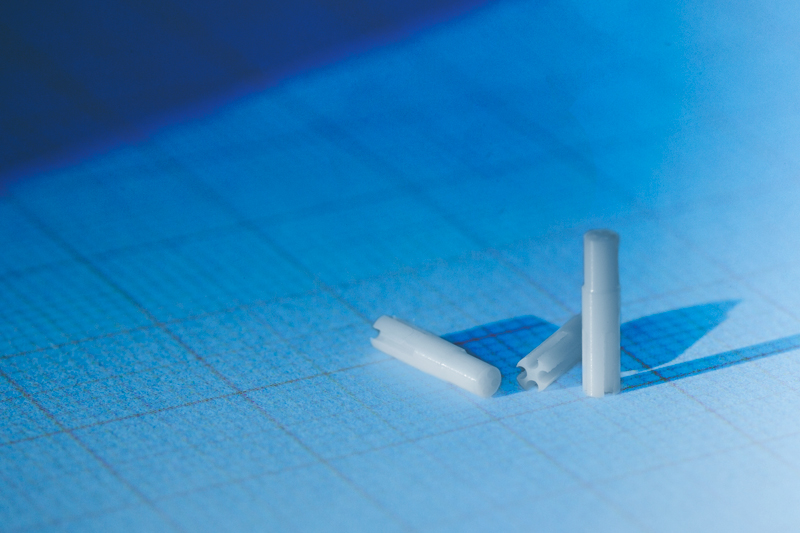
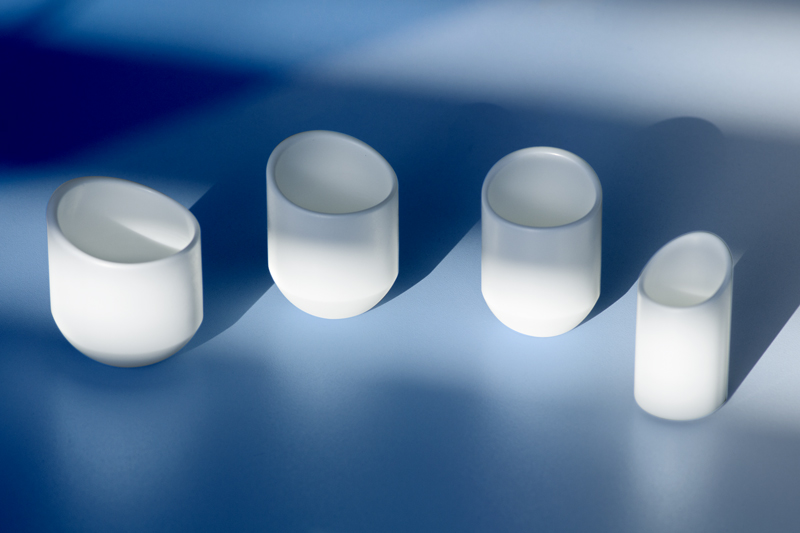
Those who align material, sterilization method, and documentation requirements early avoid costly re-qualification in the regulated process.
>900 MPa
Flexural strength Y-TZP ZrO₂ – for mechanically highly loaded implants and instruments.
ISO 13356:2008
Standard for ZrO₂ Y-TZP in medical technology. BCE manufactures to this specification.
Tolerances in µm range
Achievable for micromechanical components in endoscopy and minimally invasive surgery.
From quantity 1
No minimum order quantities, same quality process for prototypes and series parts.
ISO 9001
Certified process, complete documentation and traceability for regulated environments.
Answers to typical questions about biocompatibility, sterilization, material selection, and documentation of ceramic components.
Which sterilization methods are compatible with technical ceramics?
ZrO₂ and Al₂O₃ are resistant to steam sterilization in the autoclave and to gamma radiation. Chemical disinfection is possible; compatibility with specific agents should be verified on a case-by-case basis. The sterilization method must be taken into account during material selection from the very beginning.
How does BCE ensure freedom from contamination in production?
BCE manufactures medical technology components in spatially separated production areas – cross-contamination by other materials is 100% excluded. Traceability from the raw material batch to the finished part is ensured through the ISO 9001-certified process.
What is the difference between implants and endoscopic components in terms of material selection?
Implants remain permanently in the body – the strictest biocompatibility requirements according to ISO 13356:2008 apply here. Y-TZP ZrO₂ is the standard material. Endoscopic components only enter body cavities temporarily – depending on the application, Al₂O₃ or Ce-TZP ZrO₂ may also be suitable. Spatially separated production applies to both categories.
Which ceramic components does BCE manufacture for medical technology?
Root posts, endoscopy tips, micromechanical components, dental implants, abutment preforms, guide sleeves, and catheter tools – each manufactured to customer drawing, from quantity 1.
Does BCE support customers in regulated environments with documentation?
Yes. The ISO 9001-certified process ensures complete documentation and traceability. For further requirements under ISO 13485, BCE prepares the relevant areas in a structured manner – specific requirements are discussed prior to the quotation.
We will tell you which material is approved and manufacturable for your specific application.