Galling and cold welding
Tool and workpiece can locally weld together under high surface pressure.

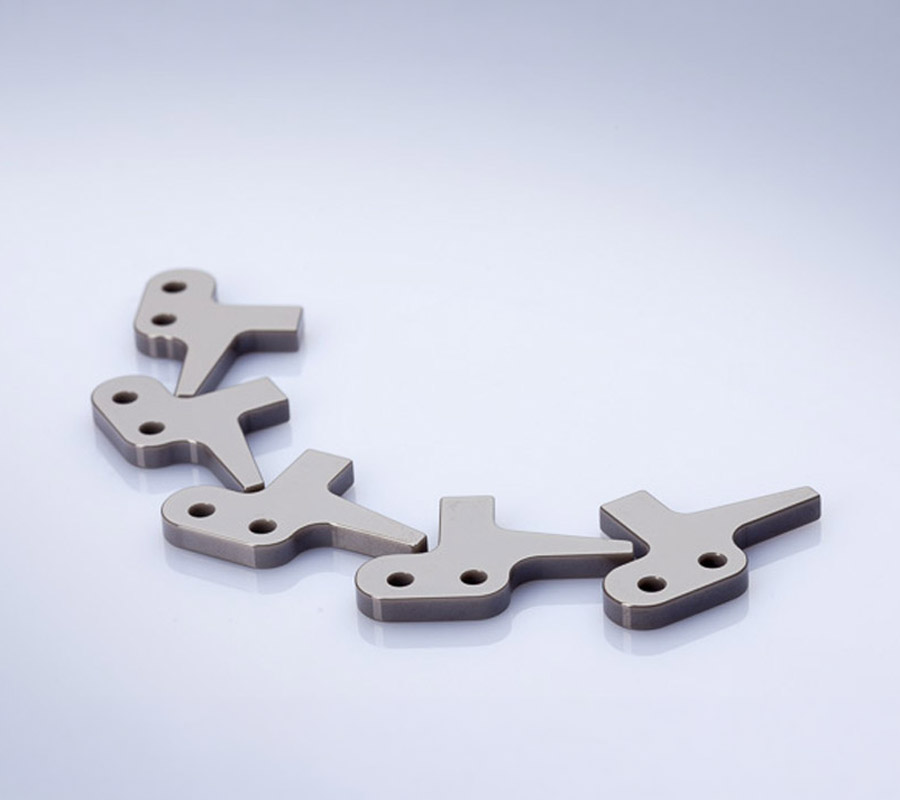
In forming technology, wear is often caused less by abrasion than by adhesion: under high surface pressure, the tool and metallic workpiece tend to cold-weld. Ceramic tools significantly reduce this tendency to galling and therefore deliver smoother surfaces and greater process reliability.
Before preparing a quotation, BCE Special Ceramics clarifies whether ceramic is suitable for your forming process – and where carbide remains the better choice.
Control galling and wear
Cold welding, adhesive wear and uneven surfaces: the most common problems in forming technology.
Find the right material
ZrO₂, ATZ or carbide: decision support based on forming process and type of load.
Clarify feasibility
Mandrel, drawing ring, calibration body? We clarify feasibility in a direct discussion.
Tool and workpiece can locally weld together under high surface pressure.
Material transfer affects the surface and reduces process reliability.
Mandrels, drawing rings and calibration bodies must withstand high compressive loads while maintaining their shape.
Grooves, pick-ups and material tears impair the formed part.
Metallic tools often require more lubrication to control galling.
Tell us the workpiece material, forming process and quantity. We will check material, geometry and manufacturability.
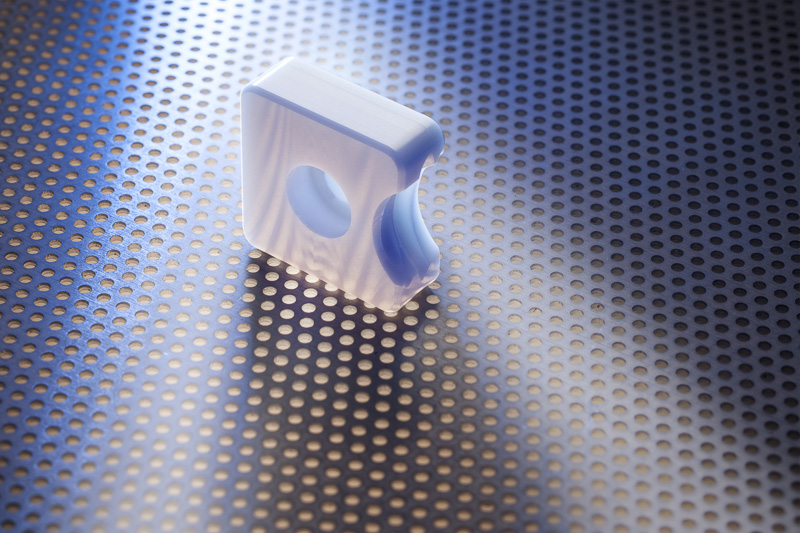
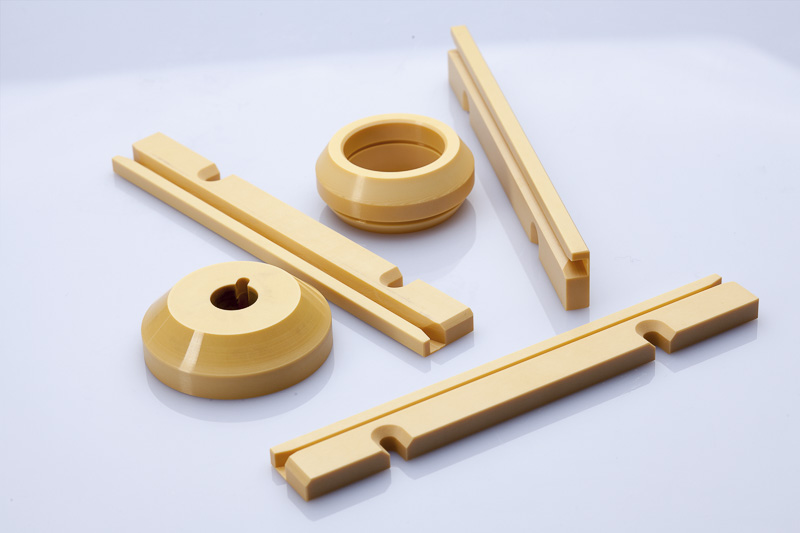
Clarifying the forming process, type of load and workpiece material early helps prevent tool breakage during the first stroke.
up to 1,100 MPa
Flexural strength of Z-700E – reserve for highly loaded forming tools such as bending bushes.
approx. 1,300 HV
Hardness of Z-700E – hardened steel is around 700–800 HV.
HIP
Z-700E is hot-isostatically post-densified – higher density and strength, for example for bending bushes.
µm range
Dimensional and form tolerances – decisive for calibration bodies and mandrels.
Low adhesion
To metals – interrupts cold welding between tool and workpiece.
That depends on the forming process. Send us your drawing or describe the process. We will respond with a clear assessment.
Answers to typical questions about galling, carbide, material selection and the feasibility of ceramic forming tools.
Is ceramic worthwhile compared with carbide in forming technology?
Not always in terms of service life. Ceramic does not necessarily achieve a longer tool life than carbide, but it offers advantages in galling tendency, surface quality and process reliability, and can reduce lubricant requirements. For tools exposed to impact or tensile loads, carbide often remains superior. The decisive factor is the specific forming process.
Does a ceramic tool weld to the metallic workpiece?
No. Due to its non-metallic bonding structure, ceramic has low adhesion to steel and non-ferrous metals. Unlike steel or carbide tools, cold welding between tool and workpiece occurs much less frequently. This effect helps create smoother surfaces on the formed part and can reduce lubricant requirements.
How can cold welding or galling be avoided during forming?
Cold welding occurs when the tool and metallic workpiece locally weld together under high surface pressure and material is torn from the surface during separation. A ceramic tool interrupts this mechanism because ceramic does not weld to the metal. Lubrication and process parameters can also be adjusted to the changed friction conditions.
Which ceramic material is suitable for forming tools?
In many cases, ZrO₂ or ATZ, a ZrO₂-based mixed oxide such as Z-700E, is suitable due to the combination of strength and toughness. Al₂O₃ is only suitable for moderately loaded guide and wear parts. The final material choice depends on the forming process, workpiece material and type of load.
Do lubrication or process parameters need to be adjusted?
Often yes. The friction conditions between ceramic and metal differ from those of steel or carbide tools. Lubricant and process parameters often need to be adjusted in order to fully exploit the potential of the ceramic material.
How does an inquiry for a forming tool at BCE Special Ceramics work?
You provide the forming process, workpiece material, type of load and quantity, ideally together with a drawing. As part of the feasibility analysis, we check whether the geometry is suitable for ceramics, recommend the material and identify critical points in the process. A quotation follows only after these points have been clarified.
We will tell you whether ceramic is the right choice – and if so, whether ZrO₂, ATZ or another material is suitable.